Our inverter range covers everything from a small 1.5kW unit for a single room up to 60kW 3-phase systems for commercial sites, all in stock in Lagos and available for delivery anywhere in Nigeria.
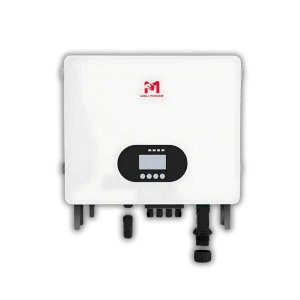
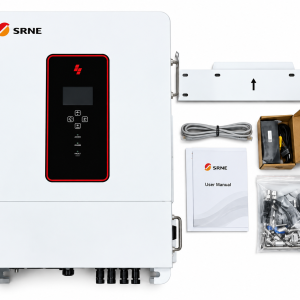
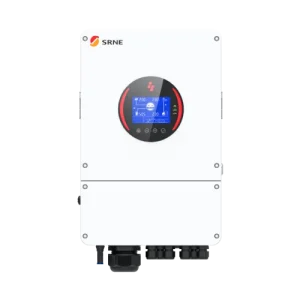
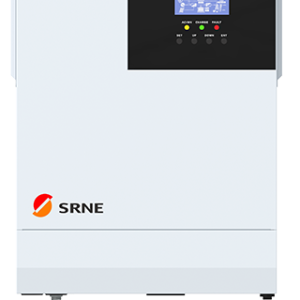
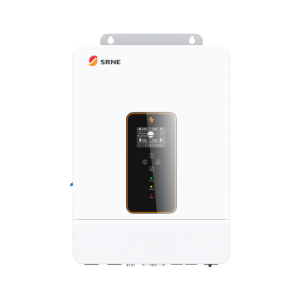
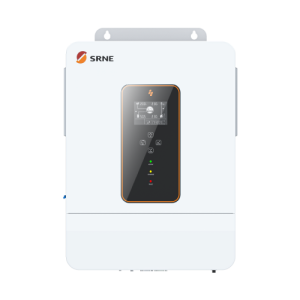
The inverter is the part of a solar system most people focus on, and for good reason, it's what actually determines how much you can run and whether the system keeps working when the grid goes down. But capacity alone doesn't tell the full story. Two inverters rated at the same kW can perform very differently depending on how many MPPT trackers they have, how efficiently they convert power, and whether they're built to run in parallel if your needs grow later.
Hybrid inverters have become the default choice for most Nigerian homes and businesses, because they don't force a choice between grid and off-grid living. They draw from solar first, fall back to battery, and only pull from the grid or a generator when both are unavailable, switching automatically without anyone needing to flip a switch. Pure off-grid inverters still make sense for properties with no reliable grid connection at all, but for a typical home with an unreliable but present grid, hybrid is almost always the better fit.
Sizing matters more than most people expect going in. An undersized inverter trips or shuts down under load, an oversized one costs more upfront without adding real benefit. Matching inverter capacity to your actual daily power draw, not a rough guess, is the single most useful thing you can get right before ordering.
Frequently Asked Questions
What does a solar inverter do?
It converts the DC power your panels or batteries produce into the AC power your appliances actually use. A hybrid inverter also manages charging, switches between solar, battery, and grid or generator automatically, and protects your battery from overcharging or over-draining in the process.
How much does a solar inverter cost in Nigeria?
Small 1kW to 3kW inverters generally start around ₦80,000 to ₦300,000. Mid-size hybrid inverters in the 3kW to 8kW range, the size most homes need, typically run ₦350,000 to ₦1.5 million. Larger residential and commercial units above that can run from ₦2 million up to several million naira depending on capacity.
What size inverter do I need for my home?
Add up the wattage of what you actually need running at once, lights, fridge, TV, fans, a few sockets, and size the inverter above that total with some headroom for appliances that draw extra power at startup. Most homes are comfortably covered by something in the 3kW to 6kW range, larger homes or ones running air conditioning need more. If you're unsure, contact us with your appliance list and we'll help you size it correctly rather than guess.
Can a solar inverter work without a battery?
Some can. Certain hybrid inverters have a battery-free mode that runs appliances directly from solar panels during daylight hours. The catch is you lose backup power at night or during an outage, which is usually the main reason to go solar in Nigeria in the first place. Most people here pair their inverter with at least a modest battery for that reason.
What are the 3 main types of solar inverters?
Off-grid inverters run entirely on solar and battery with no grid connection at all. Grid-tie inverters feed power back into the utility grid and only work when the grid is live, common in countries with stable power but less useful here. Hybrid inverters combine both, they use solar and battery first and fall back to grid or generator automatically, which is why they're the most common choice for Nigerian homes.