
Our charge controller range runs from 30A up to 100A, covering everything from a small standalone solar setup to a controller sized for a larger battery bank, in stock in Lagos with delivery across Nigeria.
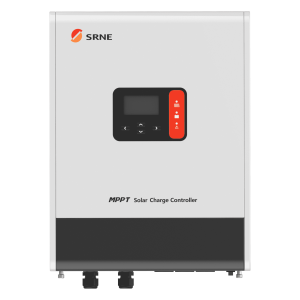
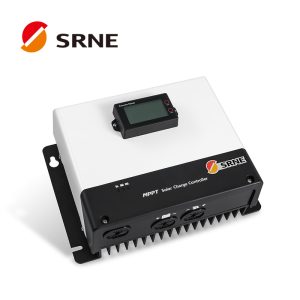
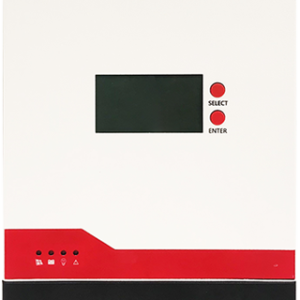
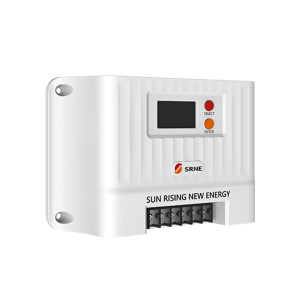
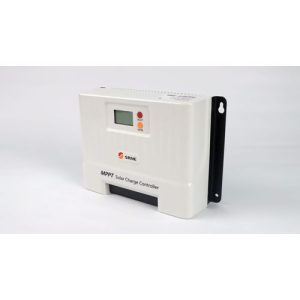
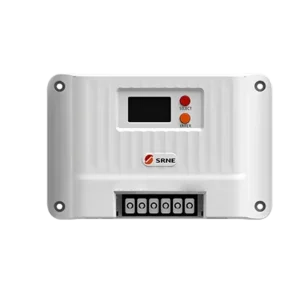
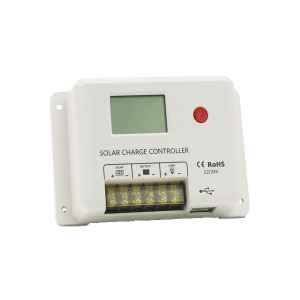
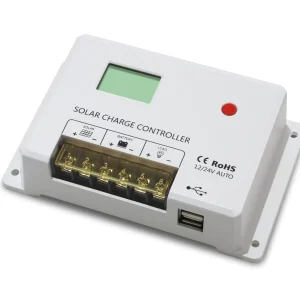
Most people buying a hybrid inverter never think about charge controllers at all, because the inverter has one built in already. Where a standalone controller actually matters is when you're building a system from separate components, adding a second solar input to an existing setup, or running a basic inverter that doesn't manage solar charging on its own.
The MPPT versus PWM decision comes down to how well your panel voltage matches your battery voltage, and how much that mismatch is costing you in lost power. If your panels are rated well above your battery's voltage, common with modern panel setups, an MPPT controller recovers a meaningful chunk of power that a PWM controller would simply waste as heat. For smaller, simpler setups where panel and battery voltage are already close, that gap narrows and PWM becomes a perfectly reasonable, cheaper option.
One thing worth flagging directly: not every cheap controller handles lithium batteries correctly. Lithium needs a specific charging profile, and a controller built primarily for lead-acid can undercharge or, in worse cases, stress a lithium battery's management system over time. If you're pairing a controller with a lithium battery, it's worth confirming lithium compatibility specifically rather than assuming any controller will do.
Frequently Asked Questions
What exactly does a solar charge controller do?
It sits between your solar panels and your battery, and regulates the voltage and current flowing between them. Panels produce variable, often higher voltage than a battery needs, and a controller steps that down to a safe, steady charging rate, protecting the battery from overcharging while still charging it as efficiently as possible.
MPPT or PWM, what's the difference?
MPPT controllers are more efficient, they can pull up to 30% more usable power out of your panels, particularly when panel voltage doesn't closely match battery voltage, but they cost more. PWM controllers are simpler and cheaper, and work fine for smaller systems where that efficiency gap matters less. For a small setup, PWM is often good enough, for anything larger, the extra efficiency from MPPT tends to pay for itself.
What size charge controller do I need for solar?
Take your total solar panel wattage, divide by your system voltage, and add about 25% headroom for safety margin. As a rough example, a 1000W panel array on a 24V system needs roughly 42A of capacity before the safety margin, so a 50A or 60A controller would be the sensible choice. Undersizing it means your panels can't charge at their full potential.
Does a solar charge controller stop charging when the battery is full?
Yes, that's one of its core jobs. Once the battery reaches full charge, the controller drops into a maintenance or "float" stage, trickle-charging just enough to offset natural discharge rather than continuing to push current in. Without this, a battery left connected to unregulated panel output would overcharge and degrade quickly.
How much is a solar charge controller in Nigeria?
Basic PWM controllers typically run from around ₦5,000 up to ₦55,000. MPPT controllers, which cost more but charge more efficiently, generally range from ₦95,000 for smaller current ratings up to ₦900,000 or more for high-capacity commercial-grade models.