
A solar generator combines a battery and inverter into one portable unit, power you can move to where it's needed rather than a fixed installation. Here's what we currently have in stock in Nigeria.
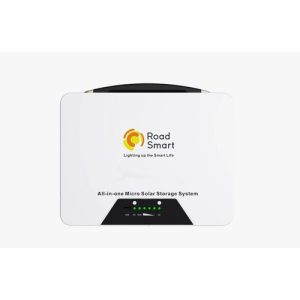
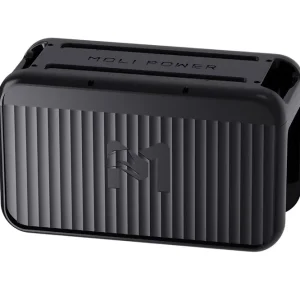
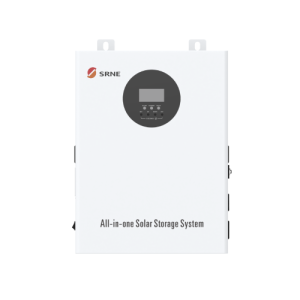
It's worth being upfront about what a solar generator is actually good at, because the name invites comparison to a fixed home inverter system, and they're not really solving the same problem. A solar generator trades total capacity for portability. You're not going to run a whole house off one the way a proper inverter and battery installation can, but you gain something a fixed system can't offer at all, the ability to carry meaningful backup power to wherever it's actually needed.
That makes them a genuinely different purchase decision than a home inverter. If your main problem is unreliable grid power at a fixed address, a proper hybrid inverter and battery system is almost always the better investment. If you need power at a worksite that moves, want backup that isn't tied to one room, or simply want something you can set up in minutes without an installer, a solar generator fits a gap a fixed system doesn't.
Battery chemistry and stackability are the two specs worth paying most attention to when comparing options. LiFePO4 units last considerably longer than the cheaper lithium-ion packs some budget models use, and stackable units let you start with one and add capacity later rather than buying oversized from day one.
Frequently Asked Questions
What is a solar generator?
It's a portable power station, a battery and inverter built into a single sealed unit, chargeable from solar panels, mains power, or sometimes a vehicle. Unlike a fixed home inverter system, it's designed to be carried or wheeled to wherever power is needed, a worksite, an event, or simply a different room in the house.
How much is a solar generator in Nigeria?
Entry-level units under 500Wh generally start around ₦60,000 to ₦150,000, enough for lights, fans, and charging devices. Mid-range 500Wh to 1000Wh units, capable of running a TV, laptop, and small appliances for a few hours, typically cost ₦300,000 to ₦650,000. Larger 2000Wh-plus units that can handle a fridge or multiple appliances run from ₦750,000 up to ₦2.5 million or more.
Can a solar generator power a whole house?
Generally not on its own, most are sized for specific appliances or a few rooms rather than an entire home's electrical load. Some models can be linked together to scale up total capacity if your power needs grow, which is worth asking about if you think you'll need more down the line. For genuine whole-home backup, a fixed inverter and battery installation is usually the more practical and cost-effective route.